Fordow Fuel Enrichment Plant: Iran’s Controversial Nuclear Site
- Introduction to the Fordow Fuel Enrichment Plant
- Origins and the Secrecy Surrounding Fordow
- Fordow’s Unique Characteristics and Strategic Significance
- The Fordow Facility Under the JCPOA
- Developments at Fordow Since the JCPOA
- Enrichment Levels and International Concerns
- Verifying Activities at Fordow: Challenges for the IAEA
- Recent Strikes and the Future of Fordow
- Conclusion: The Enduring Significance of the Fordow Fuel Enrichment Plant
The Fordow Fuel Enrichment Plant is arguably one of the most discussed, and indeed contentious, nuclear facilities in the world. As someone who follows international affairs closely, the story of the Fordow Fuel Enrichment Plant near Qom has always struck me as a stark reminder of the complexities and suspicions surrounding nuclear technology. It’s a place buried deep within a mountain, a location that immediately sparks questions about its purpose and vulnerability. This underground enrichment site has been a central point of contention in negotiations and inspections for years. It makes you wonder, doesn’t it, about what exactly goes on beneath all that rock? In this article, we’ll take a dive into the history, significance, and ongoing monitoring of this crucial part of Iran’s nuclear landscape.
Origins and the Secrecy Surrounding Fordow
Construction on the Fordow facility is believed to have started around 2006, initially associated with the Islamic Revolutionary Guard Corps (IRGC) . What’s particularly notable, and frankly, raised a lot of eyebrows internationally, is that its existence wasn’t officially disclosed to the International Atomic Energy Agency (IAEA) by Iran until September 2009 . This disclosure only came after Western intelligence services had already detected the site . You can imagine the reaction; Western officials weren’t best pleased, with the US President at the time, Barack Obama, stating Fordow had been under surveillance .
Iran maintained that their disclosure was consistent with their safeguards agreement, which they argued required declaration 180 days before nuclear material was introduced . However, the IAEA took a different view, stating Iran was obliged to declare the facility as soon as the decision was made to construct it back in 2003 . This disagreement over transparency set the tone for much of the international community’s perception of the Fordow facility – as a project shrouded in secrecy from the outset.
Fordow’s Unique Characteristics and Strategic Significance
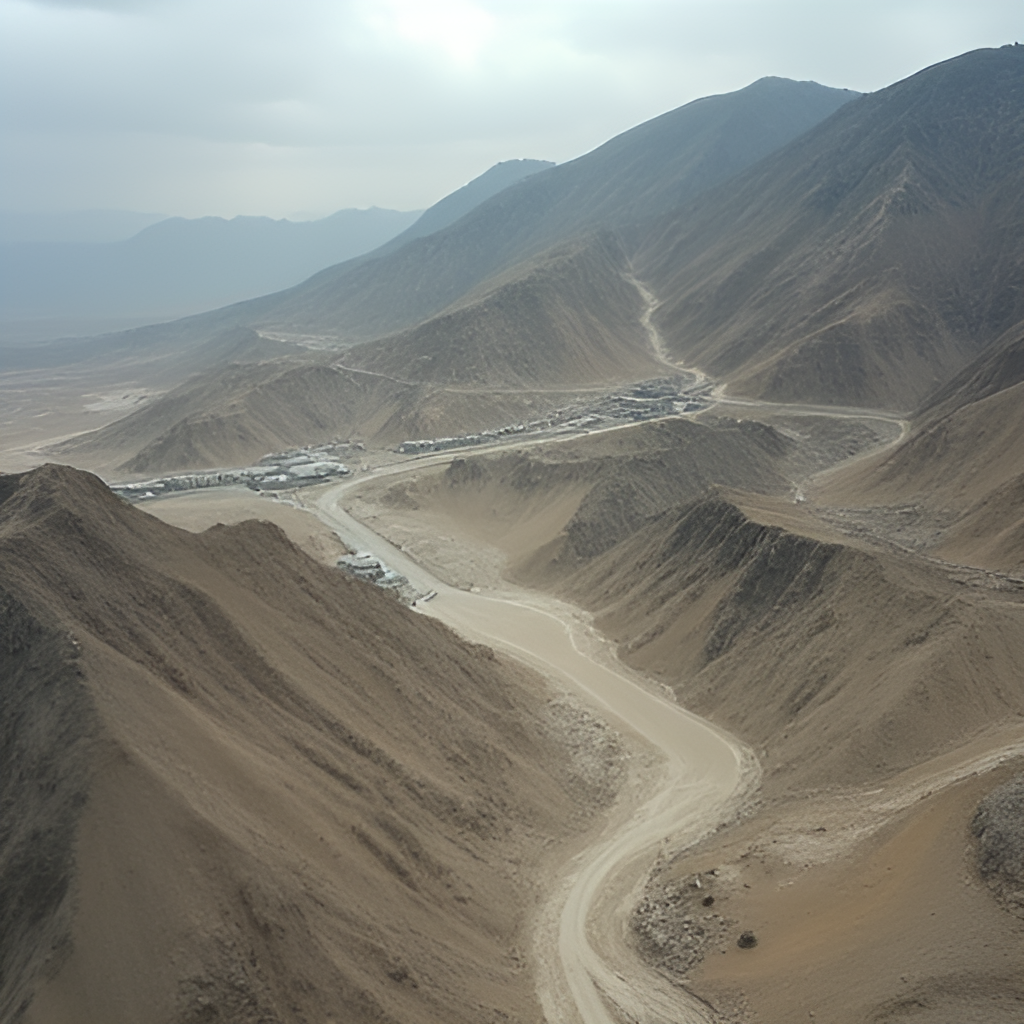
So, what makes the Fordow facility stand out? Well, for starters, its location is key. It’s situated about 30 kilometres (around 18.5 miles) northeast of the city of Qom and, crucially, is buried deep inside a mountain . Reports suggest it’s hundreds of metres underground , making it incredibly difficult, if not impossible, to destroy with conventional airstrikes . I mean, burying a facility under a mountain? That certainly sends a message about its strategic importance and the perceived need for protection from external threats.
This deep underground placement is precisely why the Fordow Fuel Enrichment Plant has been a major focus of international concern . It’s seen as a hardened site designed to withstand attack, potentially allowing Iran to continue enrichment activities even under military pressure . The facility is designed to hold a significant number of centrifuges, though fewer than the main Natanz site . Originally, it was planned for around 3,000 IR-1 centrifuges across two halls .
The Fordow Facility Under the JCPOA
The 2015 Joint Comprehensive Plan of Action (JCPOA), often called the Iran nuclear deal, significantly altered the declared purpose and activities at Fordow . Under the agreement, Iran committed to stop fuel enrichment at Fordow for 15 years, with the exception of limited stable isotope production . The plan was to convert the Fordow facility into a “nuclear, physics and technology centre” . Only a reduced number of centrifuges (1,044 IR-1 machines) were permitted to remain in one wing, under IAEA monitoring, while excess equipment was removed .
This was a major point of the deal, aiming to constrain Iran’s ability to quickly produce highly enriched uranium at a highly protected site. For a while, the IAEA monitored and confirmed Iran’s compliance with these specific measures at Fordow . My experience of following news reports at the time was that this conversion was seen as a crucial step towards ensuring the peaceful nature of Iran’s nuclear program.
Developments at Fordow Since the JCPOA
However, the situation changed significantly after the United States unilaterally withdrew from the JCPOA in 2018 . Following this, Iran began gradually scaling back its commitments under the deal . This included resuming enrichment activities at Fordow . Since then, concerns about the facility have resurfaced with vigour.
Reports indicate that Iran has not only restarted enrichment but has also installed more advanced centrifuges, such as IR-6 models, at the site . The number of operational centrifuges and cascades has fluctuated, but the trend has been towards increased capacity and efficiency . This has been a major source of tension and worry for countries concerned about proliferation.
Enrichment Levels and International Concerns
One of the most alarming developments at the Fordow Fuel Enrichment Plant has been the detection of uranium enriched to very high purity levels. In March 2023, the IAEA reported finding uranium particles enriched to 83.7% purity at Fordow . This is dangerously close to the 90% level typically considered weapons-grade .
While Iran has stated its nuclear program is for peaceful purposes, finding near weapons-grade uranium at this particular facility — one originally built in secret and buried deep underground — naturally fuels significant international concern . It raises serious questions about intentions and capabilities. Experts note that enriching to these levels is far beyond what is needed for civilian nuclear power (which requires 3-5% enrichment) . The fact that this occurred at Fordow, rather than the larger Natanz plant, makes it particularly worrying for some analysts .
Verifying Activities at Fordow: Challenges for the IAEA
Verifying the activities at Fordow poses unique challenges for the IAEA. While the facility is under safeguards, there have been instances of reduced access for inspectors . Iran has also refused to re-designate some experienced IAEA inspectors, which the E3 countries (France, Germany, UK) stated seriously affects the agency’s ability to conduct verification, particularly at enrichment facilities .
The deep underground location, while providing protection, also adds complexity to monitoring efforts. Ensuring that all nuclear material and activities are accounted for at a site like this requires robust verification mechanisms and full cooperation from Iran . The reported detection of the 83.7% enriched particles, which the IAEA said came as a surprise, highlights the difficulties in maintaining complete oversight . It makes me appreciate just how hard the job of these inspectors must be, trying to keep tabs on such sensitive operations in a complex political environment.
This image is a fictional image generated by GlobalTrendHub.
Recent Strikes and the Future of Fordow
In recent times, Fordow has unfortunately featured in the news for another worrying reason: military strikes. There have been reports of strikes targeting or occurring near the facility as part of the ongoing conflict between Israel and Iran . The United States also recently announced strikes on three Iranian nuclear sites, including Fordow, with President Trump claiming the facility was “obliterated” .
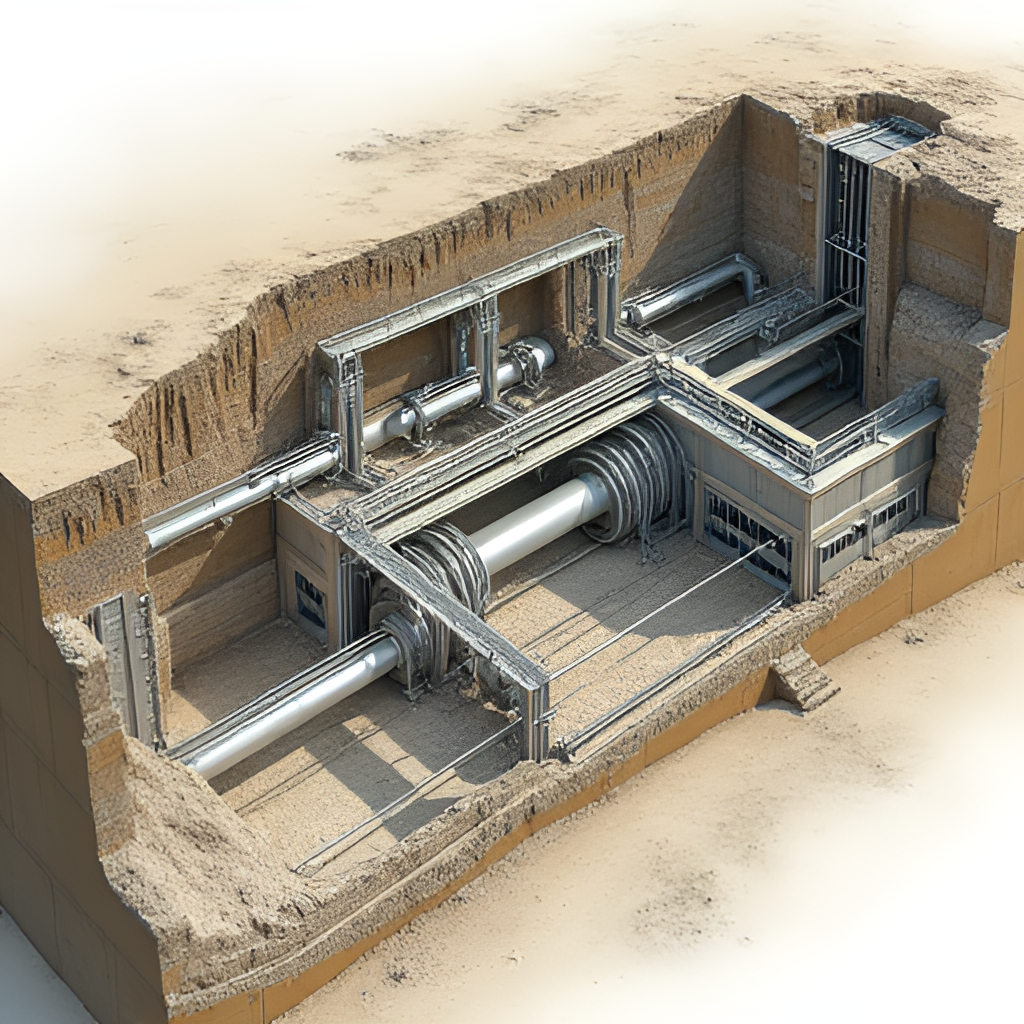
However, the heavily fortified nature of Fordow makes its destruction incredibly difficult. Military experts have suggested that only specialised “bunker buster” bombs, such as the US GBU-57, delivered by aircraft like the B-2 bomber, could potentially penetrate deep enough to destroy the facility . Early reports after the recent strikes indicated that while other sites might have suffered damage, Fordow’s underground sections appeared largely intact . This underscores just how resilient this particular Iran’s Fordow plant is designed to be.
The future of Fordow remains uncertain. It is deeply intertwined with the broader geopolitical landscape, the fate of the JCPOA, and ongoing diplomatic efforts to constrain Iran’s nuclear program. Continued enrichment activities at high levels at such a protected site will undoubtedly remain a major point of international concern and a challenge for non-proliferation efforts.
This image is a fictional image generated by GlobalTrendHub.
Conclusion: The Enduring Significance of the Fordow Fuel Enrichment Plant
The Fordow Fuel Enrichment Plant is more than just a collection of centrifuges buried under a mountain; it’s a potent symbol of the mistrust, technical challenges, and strategic dilemmas inherent in nuclear non-proliferation. From its secretive origins to its controversial role under and after the JCPOA, Fordow has consistently been at the heart of international concerns about Iran’s nuclear ambitions. The detection of near weapons-grade uranium and the recent military strikes only underscore its critical, and worrying, importance. As someone who follows these developments, I believe the trajectory of the Fordow Fuel Enrichment Plant will continue to be a key indicator of the direction of Iran’s nuclear program and the stability of the region.