Real Madrid: More Than Just a Football Club
- Introduction: The Enduring Legacy of Real Madrid
- A Century of History and Dominance
- Santiago Bernabéu: The Hallowed Ground
- Icons of the White Shirt: Legendary Players
- Playing the Madrid Way: Style and Tactics
- The Global Phenomenon: Fans and Culture
- A Cabinet Overflowing: Real Madrid’s Achievements
- What Lies Ahead: The Future of Los Blancos
- Conclusion: Why Real Madrid Captivates the World
Real Madrid is among the most storied and successful football clubs on the planet. As someone who’s followed the beautiful game for decades, it’s hard not to be captivated by the aura surrounding this Spanish giant. You see the highlights, you hear the roar of the crowd at the Bernabéu, and you just know there’s something special about this institution. But what exactly makes Real Madrid so iconic? It’s a mix of unparalleled history, legendary players, a stadium that feels like a cathedral, and a global fanbase that spans continents.
Let’s be honest, my experience as a football fan, watching countless matches and following the drama unfold, has shown me that few clubs command the same level of respect, admiration, and yes, sometimes, even envy, as Real Madrid. They aren’t just a team; they are a cultural phenomenon, deeply woven into the fabric of football history and Spanish identity.
A Century of History and Dominance
Founded in 1902 as Madrid Football Club, the club quickly established itself. The “Real” (Royal) prefix was granted by King Alfonso XIII in 1920, solidifying its connection to the Spanish monarchy and state – a connection that would later fuel one of football’s most intense rivalries, El Clásico. Real Madrid was a founding member of La Liga in 1929 and is one of only three clubs never to have been relegated from the top flight.
The club’s rise to global prominence truly accelerated in the 1950s. Under the visionary presidency of Santiago Bernabéu, the club embarked on a golden era, dominating both domestically and in the newly formed European Cup. Winning the first five editions of the European Cup from 1956 to 1960 was an unprecedented feat that cemented their status as a continental powerhouse.
This period wasn’t just about trophies; it was defined by legendary figures who would become synonymous with the club’s identity. Players like Alfredo Di Stéfano and Ferenc Puskás revolutionized the game and set the standard for the ‘Madrid way’ – a blend of attacking flair, technical skill, and a relentless will to win.
Santiago Bernabéu: The Hallowed Ground
No discussion of Real Madrid is complete without mentioning its iconic home, the Santiago Bernabéu Stadium. Opened in 1947 and later renamed in honour of the legendary president, the Bernabéu isn’t just a stadium; it’s a theatre of dreams where history is made.
Having a capacity of over 81,000 fans, it’s the second-largest stadium in Spain and has witnessed countless historic moments, including multiple European Cup/Champions League finals and the 1982 FIFA World Cup final. The atmosphere on a match day is electric, a sea of white shirts roaring for Los Blancos. The ongoing renovations, including a retractable roof and pitch, are set to make it one of the most modern and impressive sporting venues in the world.
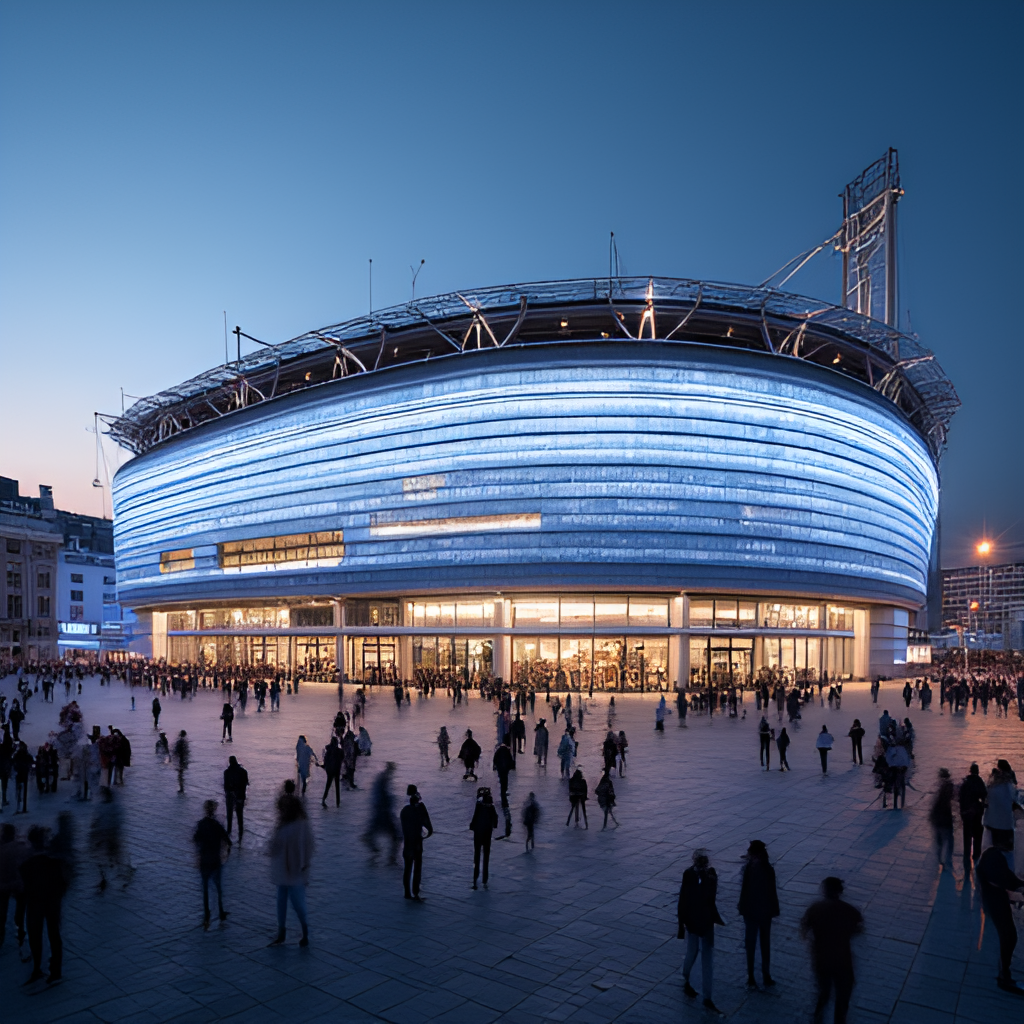
This image is a fictional image generated by GlobalTrendHub.
Icons of the White Shirt: Legendary Players
Real Madrid has always been a magnet for football’s biggest stars. From the pioneers of the 50s to the modern greats, pulling on the white shirt is an honour reserved for the elite. Think of names like:
- Alfredo Di Stéfano: The driving force behind the early European dominance.
- Ferenc Puskás: The “Galloping Major,” known for his incredible left foot.
- Paco Gento: The only player to win six European Cups.
- Zinedine Zidane: A touch of magic and later, a history-making manager.
- Cristiano Ronaldo: The club’s all-time leading scorer, a modern legend.
- Sergio Ramos: The heart and soul of the defence for years.
- Luka Modrić: A midfield maestro, still defying age.
- Karim Benzema: An incredible goalscorer and leader in the post-Ronaldo era.
And then there are the current stars like Jude Bellingham, Vinícius Júnior, and Kylian Mbappé, who are writing their own chapters in the club’s history. The tradition of signing “Galácticos” – global superstars – has defined certain eras and ensured Real Madrid always remains in the spotlight.
Playing the Madrid Way: Style and Tactics
While tactics evolve, a certain philosophy is often associated with Real Madrid: attacking football, technical quality, and a refusal to give up. Los Blancos are known for their ability to perform under pressure, particularly in the Champions League, staging dramatic comebacks that seem to defy logic.
Under managers like Carlo Ancelotti, the team balances tactical discipline with individual brilliance, allowing creative players the freedom to express themselves. It’s a style that has brought immense success, particularly in knockout competitions. They possess a unique resilience, often finding a way to win even when not at their best – a hallmark of true champions.
The Global Phenomenon: Fans and Culture
Real Madrid isn’t just popular in Spain; it’s a global superpower with one of the largest fan bases in the world, estimated to be hundreds of millions strong. Walk down any street in any major city, and you’re likely to spot someone wearing the white shirt. This immense popularity isn’t just about success; it’s cultivated through strategic international tours, engaging social media presence, and the emotional connection fans feel to the club’s history and values.
The club’s anthem, “Hala Madrid y nada más” (“Go Madrid and nothing more”), perfectly encapsulates the fervent passion of its supporters. This devotion is perhaps most visible during El Clásico matches against FC Barcelona, a rivalry steeped in history, politics, and regional identity. These clashes are more than just games; they are cultural events watched by hundreds of millions worldwide, showcasing the intense passion that defines Spanish football.
A Cabinet Overflowing: Real Madrid’s Achievements
Mention Real Madrid, and trophies immediately come to mind. Their record is simply staggering.
- UEFA Champions League (European Cup): A record 15 titles. This is the club’s signature competition, where they have consistently demonstrated their pedigree.
- La Liga: A record 36 Spanish league titles. Their domestic dominance is unmatched.
- Copa del Rey: 20 titles.
- FIFA Club World Cup: 5 titles.
- UEFA Super Cup: 6 titles.
- Supercopa de España: 13 titles.
Their consistent ability to win major honours across different eras speaks volumes about the club’s DNA and its relentless pursuit of excellence.
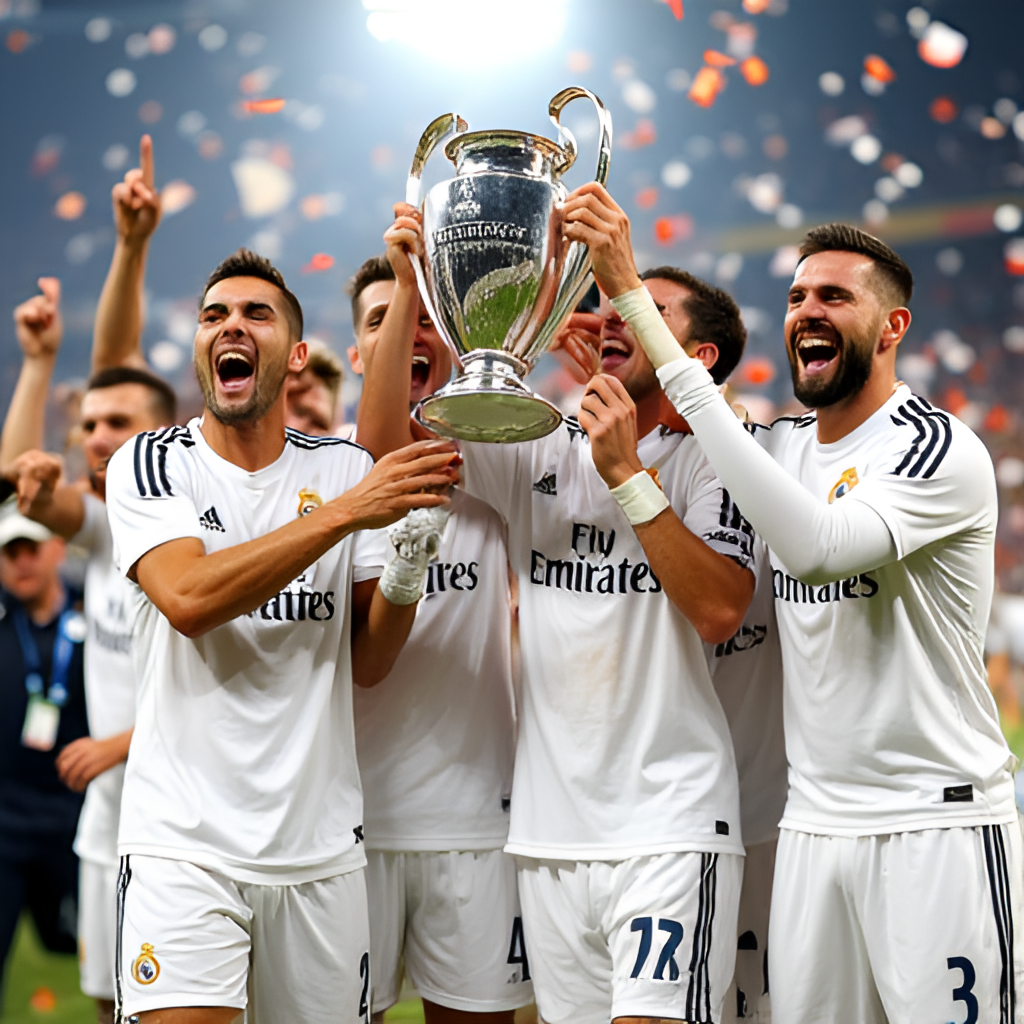
This image is a fictional image generated by GlobalTrendHub.
What Lies Ahead: The Future of Los Blancos
The future looks incredibly bright for Real Madrid. With a blend of established stars and exciting young talent like Bellingham, Vinícius Jr, Rodrygo, and the highly anticipated arrival of Kylian Mbappé, the squad is built for continued success. The renovated Santiago Bernabéu will provide a state-of-the-art home and a potential new revenue stream, ensuring the club remains competitive financially.
While challenges always exist in football, particularly from fierce rivals like Barcelona and emerging powerhouses across Europe, Real Madrid’s foundation of history, culture, and a commitment to signing top talent positions them well to add even more silverware to their overflowing cabinet in the coming years.
Conclusion: Why Real Madrid Captivates the World
In conclusion, Real Madrid is far more than just a football club. It’s a global institution built on a foundation of remarkable history, iconic players, an legendary stadium, and a relentless winning mentality. My personal fascination with them stems from witnessing their ability to consistently perform at the highest level and pull off those improbable wins that stick in your memory forever. They represent a blend of tradition and modernity, constantly evolving yet staying true to their core identity. Real Madrid will undoubtedly continue to be a major force in world football for generations to come.