Latest News: Staying Informed in a Fast-Paced World
- Introduction to Navigating Current Events
- Why Keeping Up with the Latest News Matters
- Navigating the Deluge: Finding Reliable Sources
- The Impact of Breaking Stories
- Global Events, Local Impact
- Staying Informed Without Being Overwhelmed
- Conclusion: The Importance of Engaging with Latest News Mindfully
The latest news is a constant, often overwhelming, flow of information in our hyper-connected world. It feels like we’re always just a click or a scroll away from the next major event, whether it’s global conflicts, political shifts, or local community happenings. My own experience trying to keep pace has shown me that while staying informed is crucial, it can also be mentally taxing if you don’t approach it mindfully. In this article, we’ll explore the landscape of current events and discuss how to navigate it effectively.
Why Keeping Up with the Latest News Matters
Staying informed about the latest news isn’t just about being able to chat about current events; it’s a fundamental part of engaged citizenship and personal development. Knowing what’s happening in the world around us helps us make informed decisions, from how we vote to how we manage our finances or even plan our daily commute. It provides context for understanding societal challenges and encourages empathy by exposing us to diverse perspectives and the realities faced by others globally.
From a civic standpoint, a well-informed populace is essential for a healthy democracy. Understanding recent developments allows us to participate effectively in public discourse, hold leaders accountable, and contribute to meaningful change.
Navigating the Deluge: Finding Reliable Sources
In the age of digital media, finding reliable news sources can feel like a daunting task. The speed of information flow on platforms like social media is incredible, but it also increases the risk of encountering misinformation and sensationalism. It’s crucial to be discerning about where you get your information.
Traditional news organisations with established reputations for journalistic integrity, like the BBC or Reuters, often adhere to strict fact-checking processes. However, relying solely on one or two sources isn’t ideal either. To get a well-rounded view of current events, I’ve found it incredibly helpful to diversify my news diet. This means looking at a mix of local, national, and international outlets, and being aware of potential biases. BBC News is a widely respected international source, while seeking out your local Irish news outlets can provide essential community-level updates.
Media literacy is a critical skill here. It equips us with the tools to analyse and evaluate the messages we receive, helping us distinguish between credible reporting and misleading content. Learning to spot sensational headlines that might reduce trust in content is important. Techniques like ‘lateral reading’ – checking multiple sources to verify information – can be incredibly effective.
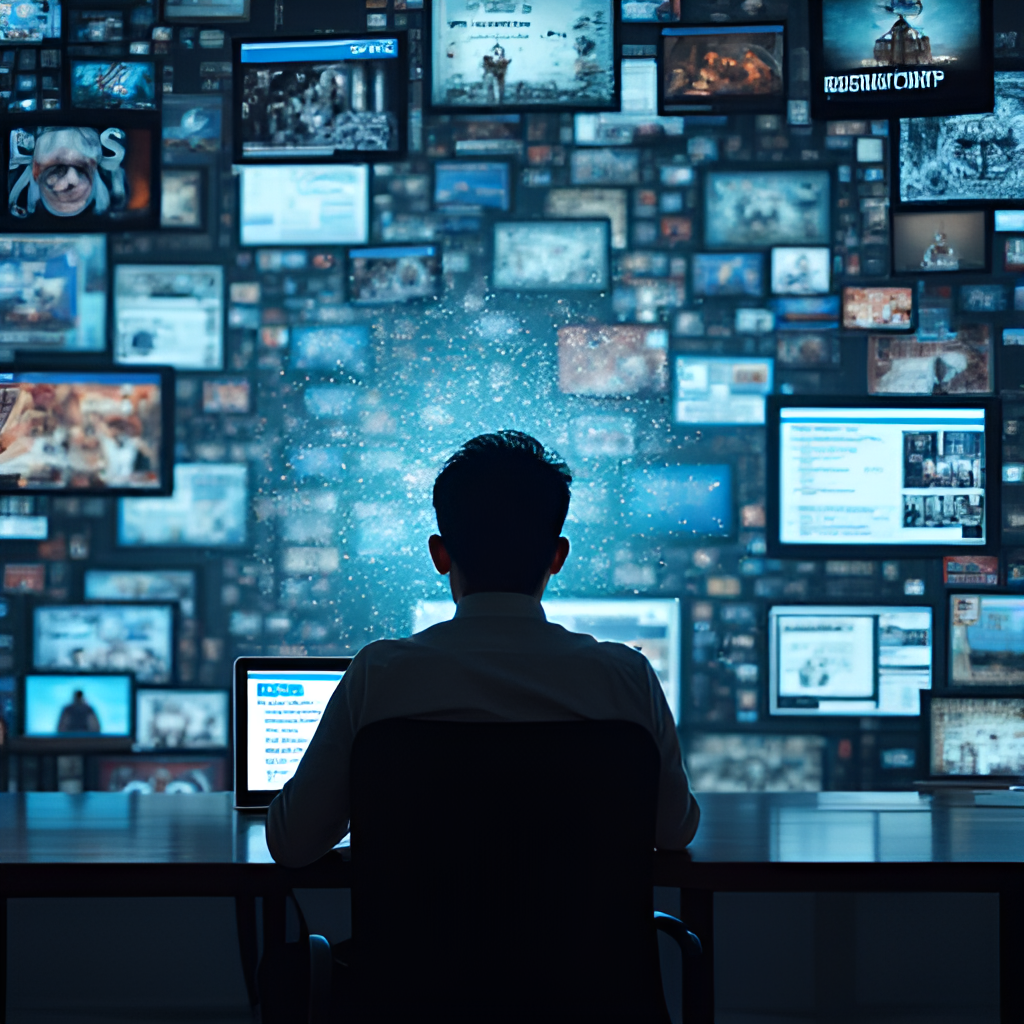
This image is a fictional image generated by GlobalTrendHub.
The Impact of Breaking Stories
Breaking stories have a unique way of grabbing our attention. They’re often dramatic, unfolding rapidly, and can have significant immediate impacts. Think about major political announcements, natural disasters, or unexpected global events. While they keep us updated in real-time, the constant influx of urgent updates can also take a toll.
My experience during recent global crises has highlighted how the non-stop nature of breaking news can contribute to stress and anxiety. It’s easy to get caught in a cycle of ‘doomscrolling,’ where you spend excessive time absorbing negative information, which only intensifies feelings of fear and helplessness.
Research even suggests that excessive consumption of news coverage, particularly graphic content, can sometimes be worse for our mental health than the event itself if we weren’t directly involved. It triggers our stress response, releasing hormones like cortisol and adrenaline.
Global Events, Local Impact
It might seem like major global events happening thousands of miles away don’t directly affect our lives in Ireland, but that’s rarely the case. The interconnectedness of the world means that international news often has a tangible local impact. Changes in global markets can affect local economies and jobs. Climate events elsewhere can influence weather patterns or resource availability here. Geopolitical shifts can have implications for international relations, trade, and even security.
For instance, fluctuations in global energy prices, often reported as international breaking stories, quickly translate to changes in fuel costs at the local pump. Similarly, major political decisions made in other countries can influence international agreements or trade policies that directly affect Irish businesses and consumers. Understanding these connections, which you gain from following recent developments, helps you see the bigger picture and how seemingly distant events ripple outwards.
Staying informed globally through reputable sources like The Guardian’s international coverage can provide vital context for understanding our own local circumstances.
Staying Informed Without Being Overwhelmed
Given the potential for news overload and the negative impact it can have on our mental well-being, it’s essential to develop strategies for managing news consumption. It’s about finding a balance between staying informed about the latest news and protecting your peace of mind.
- Set Boundaries: Allocate specific times during the day to check the news, perhaps 15-30 minutes in the morning and evening, and stick to it. Avoid checking news right before bed or immediately upon waking.
- Curate Your Sources: Be selective about the news outlets you follow. Prioritise reputable sources known for factual reporting over sensationalism. News aggregators can be helpful, but be mindful of the sources they pull from.
- Limit Notifications: Turn off push notifications for news apps on your phone. This allows you to choose when you engage with news rather than being constantly interrupted.
- Diversify Your Feed: While important to follow serious current events, balance negative news with positive stories or content related to your interests. Some sources specifically highlight good news.
- Practice Mindfulness: Pay attention to how consuming certain news makes you feel. If a particular story or source is causing significant stress or anxiety, it’s okay to take a break.
- Engage in Offline Activities: Schedule time to disconnect from screens and engage in activities that bring you joy and relaxation.
Remember, you don’t need to consume every single piece of information to be informed. It’s about quality over quantity and developing habits that support your mental health while keeping you connected to the world.
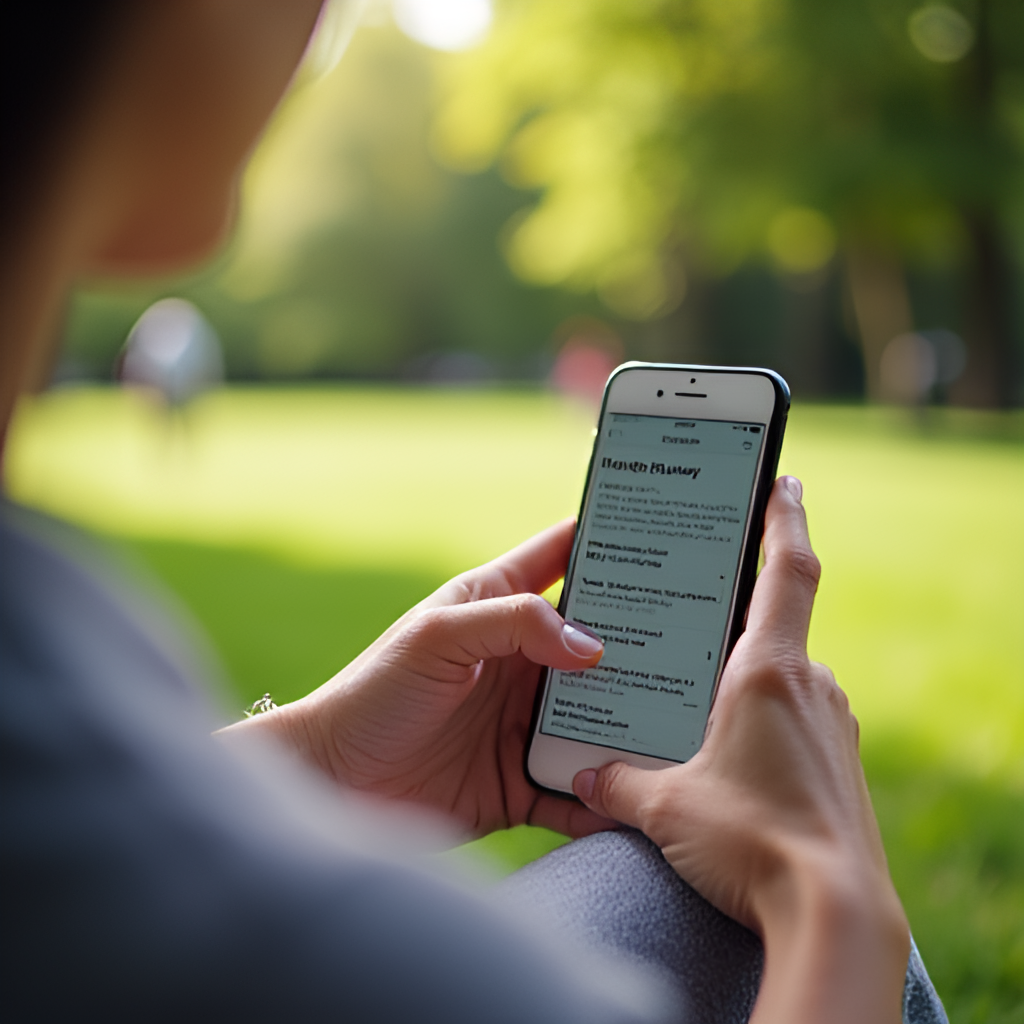
This image is a fictional image generated by GlobalTrendHub.
The Growing Importance of Media Literacy
As we navigate the complex information landscape, the importance of media literacy continues to grow. It’s not just about identifying fake news, although that’s a significant part of it. Media literacy involves understanding how media messages are constructed, recognising biases, and critically evaluating the information presented to us.
This skill is becoming increasingly vital, especially for younger generations, as new platforms and technologies emerge rapidly. Developing media literacy helps us make sense of the world, engage respectfully with diverse viewpoints, and become more active and informed participants in society.
Conclusion: The Importance of Engaging with Latest News Mindfully
Engaging with the latest news is a vital part of modern life, connecting us to the world and empowering us to make informed decisions. However, the sheer volume and often negative nature of current events can be overwhelming. By adopting mindful news consumption habits – setting boundaries, curating sources, practising media literacy, and balancing serious stories with positive content – we can stay informed without sacrificing our mental well-being. My journey has shown me that it’s possible to remain connected and knowledgeable about the latest news while maintaining a sense of calm and perspective. It’s about being intentional with our information intake and recognising that protecting our peace is just as important as staying updated on the world’s happenings.