Belmont Stakes: The Final Leg of the Triple Crown
- Introduction to the “Test of the Champion”
- A Rich History: The Oldest Classic
- What Makes the Belmont a Unique Challenge?
- Memorable Moments and Triple Crown Dreams
- Handicapping the Belmont Stakes: What to Look For
- The Saratoga Shift: A Temporary Change
- Why the Belmont Stakes Holds a Special Place
The Belmont Stakes is among the most anticipated events in horse racing, serving as the thrilling final leg of the Triple Crown. It’s often called “The Test of the Champion” for a reason, pushing three-year-old thoroughbreds to their absolute limit over a demanding distance . From my perspective as a long-time follower of the sport, there’s a unique buzz that surrounds the Belmont, a blend of history, anticipation, and the sheer drama of seeing if a horse can achieve racing immortality.
This historic race, older than both the Kentucky Derby and the Preakness Stakes, has a storied past filled with legendary horses, incredible finishes, and moments that have become etched in sporting history . Whether you’re a seasoned fan who’s been handicapping races for decades or a newcomer drawn in by the excitement of the Triple Crown, there’s something undeniably captivating about The Belmont.
A Rich History: The Oldest Classic
Did you know that the Belmont Stakes predates the other two Triple Crown races? It was first run way back in 1867 at Jerome Park Racetrack, a good six years before the Preakness and eight before the Kentucky Derby . Named after financier and sportsman August Belmont Sr., the race has moved locations a few times in its long history, including stints at Morris Park and Aqueduct, but its spiritual home has been Belmont Park in Elmont, New York, for the vast majority of its existence .
Over the years, the distance has also changed. Initially run at a mile and five furlongs, it eventually settled at its traditional mile and a half distance in 1926, earning its reputation as the longest and most gruelling test of the series . This evolution is part of what makes the history of The Belmont so fascinating; it’s a race that has adapted while maintaining its core identity as a premier test of equine endurance and class.
Memorable Moments and Triple Crown Dreams
When you think about memorable moments in the final leg of the Triple Crown, a few instantly spring to mind. Secretariat’s jaw-dropping, 31-length victory in 1973 is arguably the most famous, setting a track record of 2:24 that still stands as the fastest mile and a half on dirt in North America . I can only imagine what it must have felt like to be in the stands that day, witnessing such an unparalleled display of speed and stamina. It’s one of those performances that transcends the sport itself.
Of course, the Belmont is also the race where Triple Crown dreams are either realized or, heartbreakingly, denied. Twenty horses have arrived at Belmont Park with a shot at history, only for the demanding distance and fresh challengers, often referred to as “new shooters,” to prove too much . I remember watching Smarty Jones in 2004, hoping he’d end the long drought, only to see Birdstone run him down in the stretch – a classic example of the Test of the Champion living up to its name . Then came the euphoria of American Pharoah in 2015 and Justify in 2018 finally breaking those lengthy waits . The atmosphere on those days was absolutely electric!
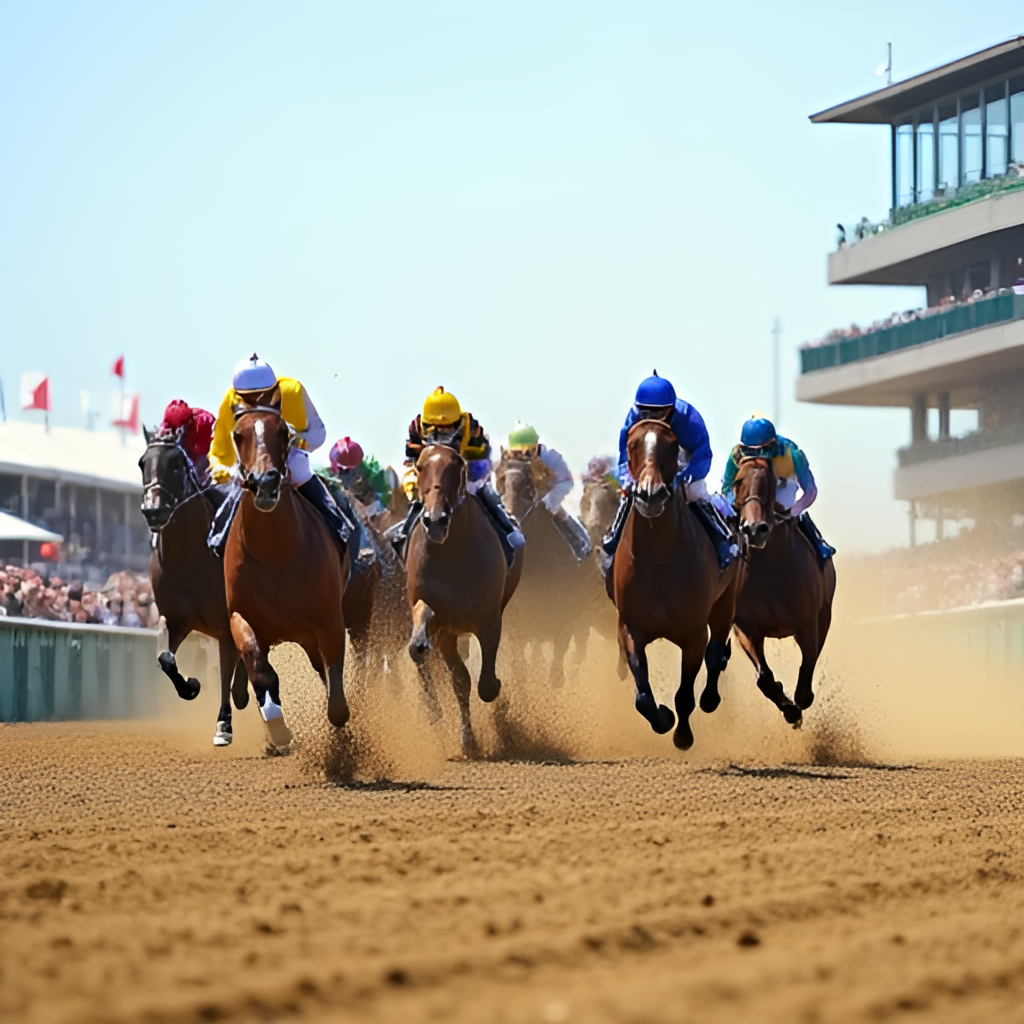
This image is a fictional image generated by GlobalTrendHub.
What Makes the Belmont a Unique Challenge?
Beyond its place as the third jewel, the Belmont Stakes presents a unique set of challenges. The mile and a half distance is rarely run by three-year-old thoroughbreds, making it a true test of their stamina and conditioning . Most horses aren’t bred or trained for this kind of marathon on dirt, and it’s often the first time many of these contenders are asked to go that far .
Belmont Park itself, with its expansive, sweeping turns and the longest stretch in North American racing, adds another layer of complexity . A horse needs both tactical speed and deep reserves of energy to navigate the course successfully. It’s not just about being the fastest; it’s about being the fittest and having the pedigree to carry that speed over the final grueling furlongs. Speaking from a fan’s perspective, watching the horses turn for home and seeing who still has something left in the tank is pure theatre.
The Challenging Distance and How it Impacts Training
The traditional 1.5-mile distance of The Belmont significantly impacts how trainers prepare their horses. Unlike the shorter, sharper bursts required for the Derby and Preakness, this race demands a training regimen focused on building endurance. It’s a delicate balance; you don’t want to overwork a young horse, but they need to be fit enough to handle the final, punishing quarter-mile stretch. This is where the expertise of a trainer truly comes into play, tailoring workouts to build that crucial stamina without compromising soundness.
“The Belmont Stakes is the most demanding race these young horses will likely ever face on dirt. It requires a unique combination of speed, stamina, and heart.” – A hypothetical trainer’s perspective.
Handicapping the Belmont Stakes: What to Look For
For those who enjoy the puzzle of handicapping, The Belmont offers a different kind of challenge compared to the earlier Triple Crown races . Since it’s the longest race, pedigree becomes incredibly important. You need to look at a horse’s bloodlines to see if their sire and dam have produced runners with proven stamina over classic distances . A horse might have blazing speed, but if their pedigree screams “sprinter,” the Belmont’s final sixteenth could be their undoing.
Current form is also crucial, but with a twist. Horses coming off tough runs in both the Derby and Preakness might be fatigued, while “new shooters” who skipped one or both races could be fresher . Looking at recent speed figures and how a horse finishes their races can provide clues about their ability to handle the distance . It’s a complex equation, balancing past performance, bloodlines, and the potential impact of the Triple Crown grind.
Key Contenders and Factors for the Race of Champions
Analyzing the field for the race of champions involves digging deep. Beyond pedigree and recent form, consider jockey and trainer history in the Belmont . Some riders and conditioners just seem to have a knack for getting a horse ready for this specific challenge. Track condition can also play a role; a sloppy track might favor horses with certain running styles . And, of course, post position matters, though perhaps less so at the traditional Belmont Park with its long run to the first turn . When handicapping The Belmont, I always look for a horse that has shown the ability to rate (run comfortably behind the leaders) and still have a powerful late kick.
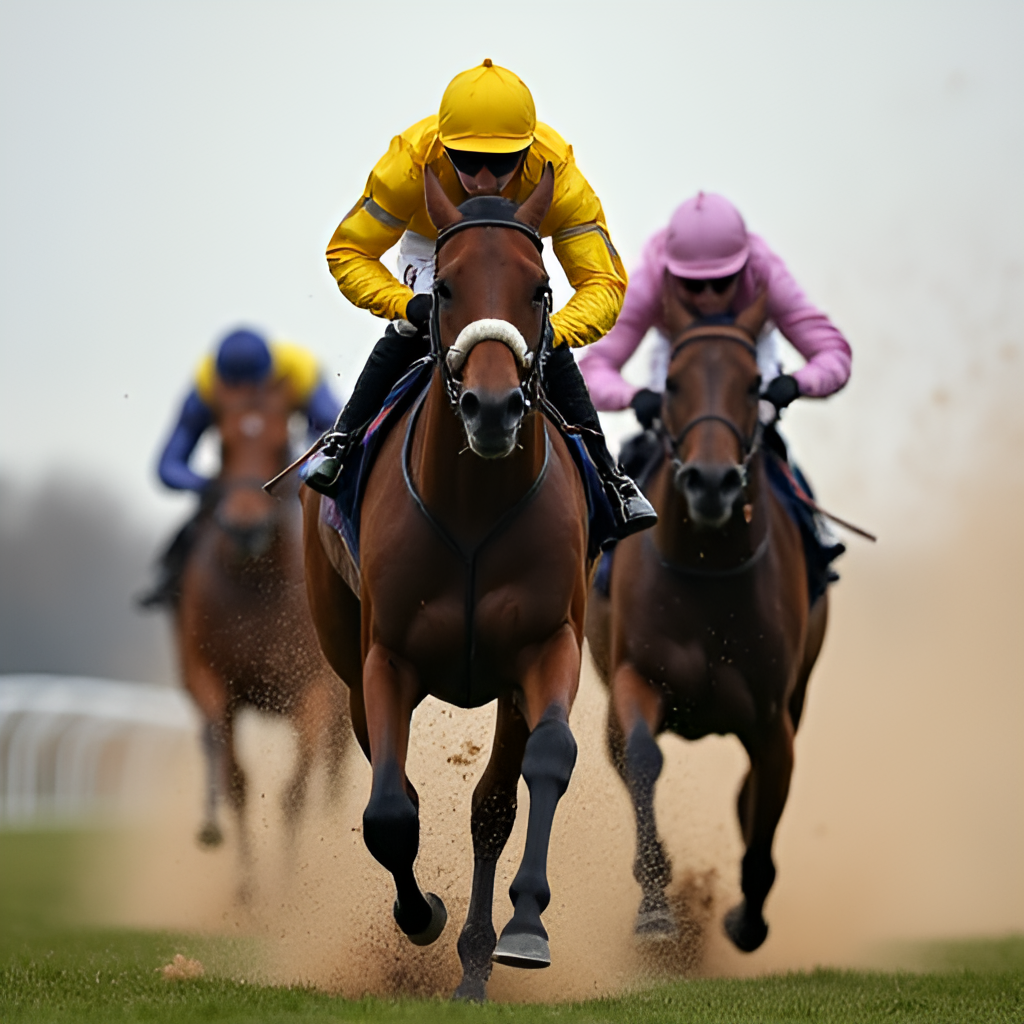
This image is a fictional image generated by GlobalTrendHub.
The Saratoga Shift: A Temporary Change
In recent years, the Belmont Stakes has seen a temporary relocation. Due to significant renovations at Belmont Park, the race is being held at the historic Saratoga Race Course in Saratoga Springs, New York, for both 2024 and 2025 . This is a pretty big change! Saratoga has a smaller main track, meaning The Belmont is run at a mile and a quarter there, the same distance as the Kentucky Derby, instead of its traditional mile and a half .
While Saratoga is a storied venue with its own incredible history and atmosphere (it’s sometimes called the “oldest major sporting venue in the country” ), running The Belmont at this shorter distance definitely changes the dynamic of the race . It will be fascinating to see how this temporary shift impacts the types of horses that are successful and how it alters the traditional “Test of the Champion.” It’s different, for sure, but the excitement of the final leg of the Triple Crown remains.
Belmont Park is expected to reopen in 2026, bringing the race back to its iconic home and distance .
External Links:
Internal Link:
Conclusion: Why the Belmont Stakes Holds a Special Place
The Belmont Stakes, whether run at its traditional home or temporarily at Saratoga, holds a truly special place in the world of horse racing. It’s the culmination of the Triple Crown series, a race steeped in history and tradition, and the ultimate test of a three-year-old thoroughbred’s ability . For fans like me, The Belmont is more than just a race; it’s an event that brings together the rich tapestry of the sport – the history, the incredible equine athletes, the strategic brilliance of trainers and jockeys, and the shared hope of witnessing something truly extraordinary. As the final leg of the Triple Crown, the Belmont Stakes consistently delivers drama, excitement, and moments that we talk about for years to come.