Chicago Trains: A Rider’s Guide to the ‘L’ and Beyond
- Navigating the Grid: Your Introduction to Chicago Trains
- Exploring the CTA ‘L’ System: Colors and Connections
- Beyond the City: Understanding Metra Commuter Rail
- Practical Tips for Riding Chicago’s Trains Safely
- The Rich History and Lasting Impact of Chicago Trains
- More Than Just Transit: The Enduring Role of Chicago Trains
Chicago trains are the lifeblood of this dynamic city, a sprawling network that connects neighborhoods, shuttles commuters, and offers a unique perspective on its stunning architecture. My own experience navigating Chicago’s transit system began years ago as a wide-eyed visitor, utterly fascinated by the rumble of the elevated tracks overhead. Since then, I’ve come to rely on the ‘L’ and Metra, appreciating their efficiency and the way they stitch the urban fabric together. Whether you’re a first-time tourist trying to get from O’Hare to the Loop or a daily commuter heading downtown from the suburbs, understanding Chicago’s rail lines is key to unlocking the city. In this comprehensive guide, we’ll dive into everything you need to know about getting around on the train in Chicago, from the iconic ‘L’ to the far-reaching commuter lines.
Exploring the CTA ‘L’ System: Colors and Connections
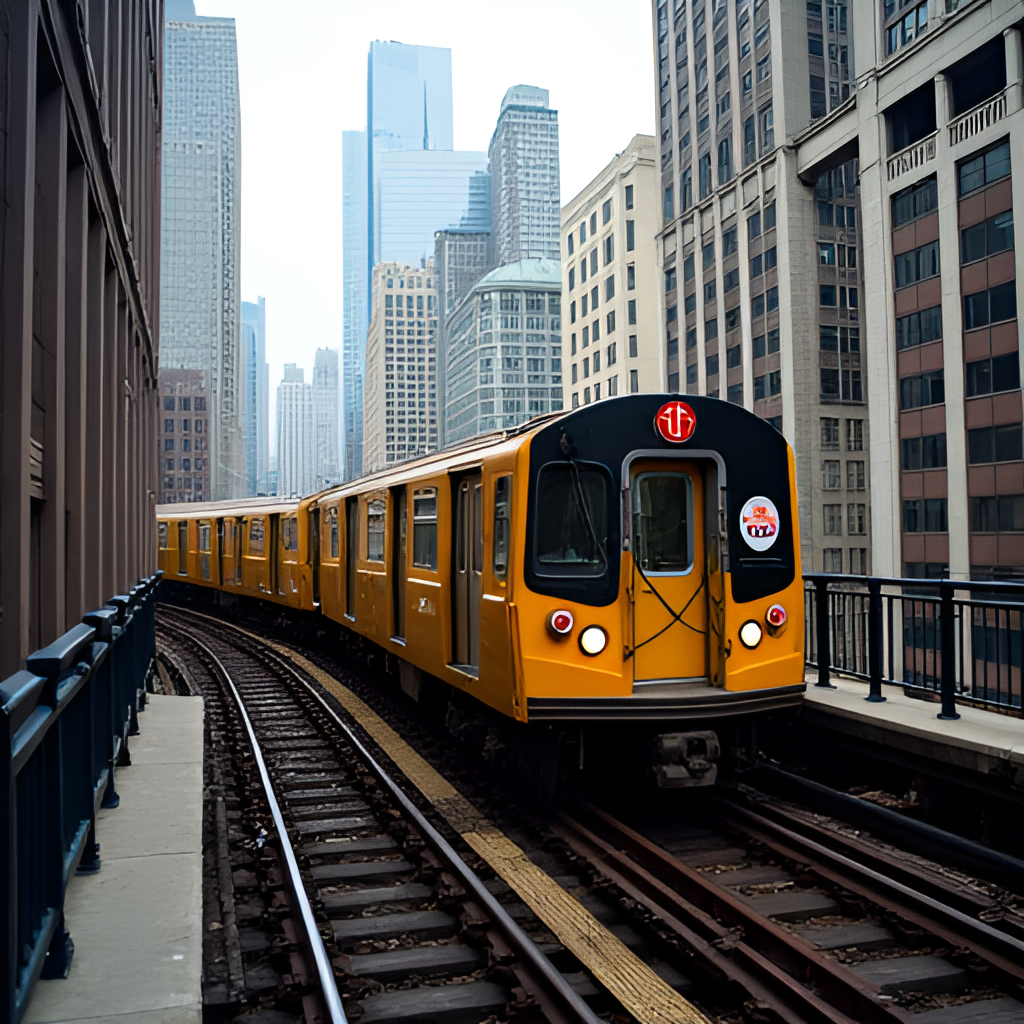
When most people talk about Chicago trains, they’re likely referring to the Chicago Transit Authority’s (CTA) ‘L’ system. This isn’t just any subway; the ‘L’ gets its name from significant portions of its track running on elevated structures, offering riders unparalleled city views. It’s a truly iconic part of the Chicago experience, even earning a spot as one of the “seven wonders of Chicago” in a Chicago Tribune poll years ago.
The ‘L’ system is color-coded, which makes navigating it surprisingly straightforward once you get the hang of it. There are eight distinct lines, each with its own colour:
- Red Line: This is a major north-south artery, running through the heart of the city and operating 24/7. It’s incredibly convenient for reaching popular spots like Wrigleyville, downtown (the Loop), and various North Side neighborhoods.
- Blue Line: Also running 24/7, the Blue Line is your direct link between O’Hare International Airport and downtown. It’s a lifesaver for travelers and provides service to parts of the West Side and suburbs like Forest Park.
- Brown Line: Primarily serving the North and Northwest Sides, the Brown Line offers a scenic elevated ride and loops around downtown.
- Green Line: Connecting the West and South Sides to the Loop, the Green Line includes elevated sections that offer a unique perspective on Chicago’s diverse neighborhoods. It also has a convenient stop near McCormick Place.
- Orange Line: This line is crucial for anyone heading to or from Midway International Airport, providing a quick connection to the Loop.
- Pink Line: Serving the West and Southwest Sides, the Pink Line also runs along the historic Loop structure downtown. Riding the entire Loop on the Pink or Orange Line is a fantastic, quick way to see downtown architecture.
- Purple Line: This line primarily serves the North Shore suburbs, with express service to the Loop during weekday rush hours.
- Yellow Line: The shortest line, the Yellow Line (also known as the Skokie Swift) connects the northern suburb of Skokie to the Howard station, where you can transfer to the Red or Purple Lines.
My first time riding the ‘L’ was a bit daunting, trying to figure out which coloured line went where. But honestly, the system map is quite intuitive, and station signage is generally clear. You just need to know your destination and the colour of the line that serves it. And don’t worry, stations are typically attended by staff if you need help.
Getting around on the train in Chicago is facilitated by the Ventra system. You can use a Ventra Card, Ventra Ticket, or even a contactless bankcard or mobile payment app at turnstiles. You can buy tickets or load value at Ventra vending machines located in every ‘L’ station. It’s far more economical than taxis or rideshares, especially coming from the airports.
This image is a fictional image generated by GlobalTrendHub.
The Architectural Marvel of the Loop Tracks
Speaking of the Loop, it’s not just a geographical area; it’s the iconic elevated railway structure that encircles downtown. Completed in 1897, its steel framework is instantly recognizable and provides a unique viewpoint for admiring Chicago’s famous architecture. Riding the elevated train through the Loop offers a glimpse into the city’s history and development. It’s a perspective you just can’t get from street level. As someone who loves architecture, I find this part of the ride genuinely captivating. It’s a living piece of history you interact with daily.
Beyond the City: Understanding Metra Commuter Rail
While the CTA’s ‘L’ system handles rapid transit within the city and closer suburbs, Chicago is also served by Metra, a comprehensive commuter rail system. Metra connects downtown Chicago to the far-reaching suburbs across Northeast Illinois, covering over 3,700 square miles with 11 routes and more than 200 stations. If you’re traveling into the city from outside the immediate urban area, or planning a day trip to a suburban town, Metra is likely your transport of choice.
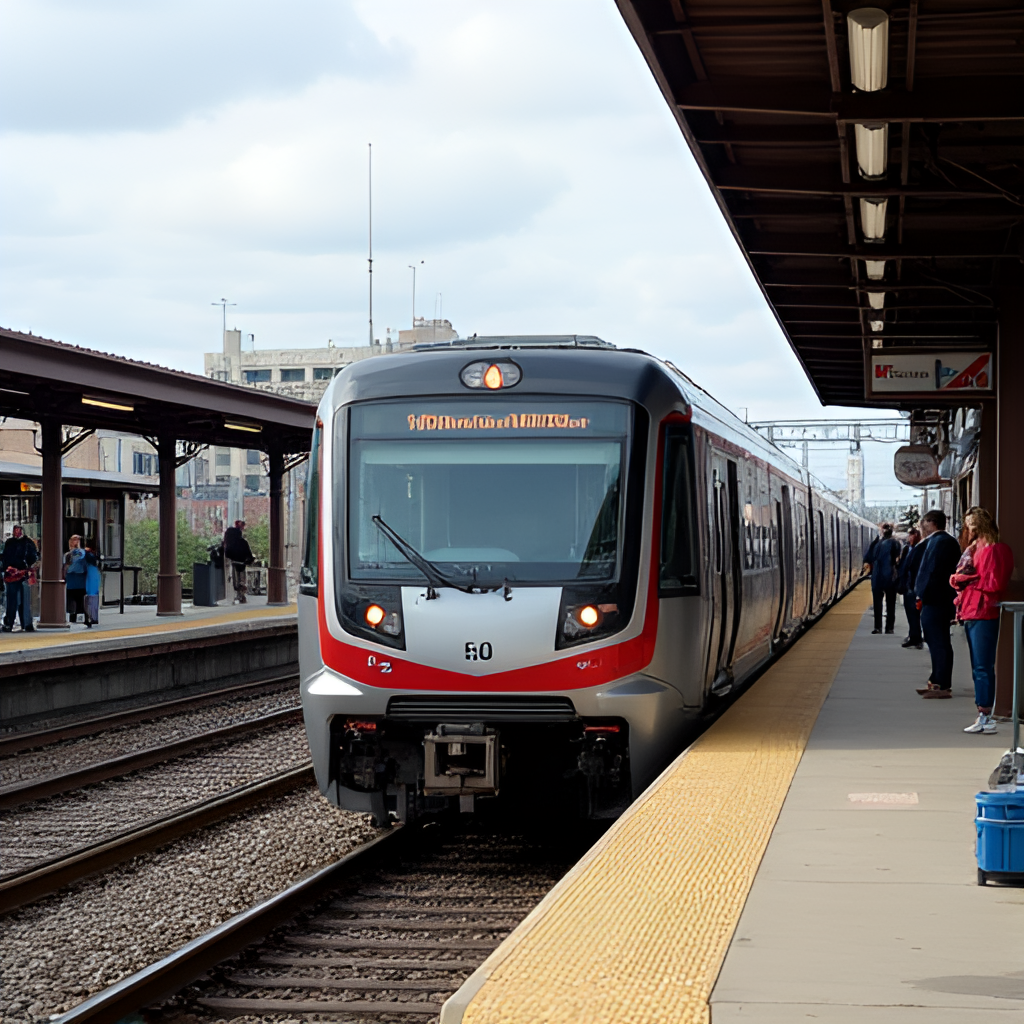
Unlike the ‘L’ which uses rapid transit cars, Metra trains are traditional commuter trains, often double-decker cars. They operate on schedules focused on peak commuter times, though many lines offer daily service. Metra lines originate from four main downtown terminals: Union Station, Ogilvie Transportation Center, LaSalle Street Station, and Millennium Station. These terminals are conveniently located near the Loop, making transfers to the ‘L’ or other city transit relatively easy.
Planning a trip on Metra is straightforward using their website or the Ventra app, where you can purchase various ticket types, from one-way fares to monthly passes. Fares vary depending on the distance traveled (based on zones). While CTA and Metra are separate systems requiring separate fares, there are options like the Regional Connect Pass for Metra monthly ticket holders that allow unlimited travel on CTA and Pace buses and trains.
Seamless Journeys: Transfers and Connections
Getting around Chicago by train often involves transferring between CTA lines or connecting between Metra and the CTA. Transferring between ‘L’ lines within the Loop or at designated transfer stations like Clark/Lake or Roosevelt is generally quite easy, sometimes even just requiring a walk across the platform or through a connecting passage. With a Ventra Card or ticket, transfers are often free or discounted within a certain time period.
Connecting from Metra to the CTA downtown is also designed to be convenient. The major Metra terminals are all within walking distance of ‘L’ stations in the Loop. For instance, from Union Station, you can easily walk to the Clinton station for the Blue or Green Lines. Similarly, from Ogilvie, the Clinton station is nearby, and from Millennium Station, you’re right by the Loop ‘L’ tracks.
This interconnectedness is one of the strengths of Chicago’s public transit. It allows for flexible travel across the city and its surrounding areas without needing a car, something I deeply appreciate, especially during rush hour traffic!
This image is a fictional image generated by GlobalTrendHub.
Practical Tips for Riding Chicago’s Trains Safely
Like any major urban transit system, riding Chicago trains requires a degree of awareness. Safety is a top priority for the CTA and Metra, and there are some simple tips that can make your journey smoother and more secure.
- Be Aware of Your Surroundings: This might sound obvious, but avoid being overly engrossed in your phone or a book, especially during peak hours or late at night. Being mindful of who is around you is always a good idea.
- Mind the Gap and Platform Edge: On ‘L’ platforms, pay attention to the gap between the train and the platform. Always stand behind the yellow safety line while waiting for the train. Never run on platforms or try to squeeze into closing doors.
- Stay Clear of the Third Rail: This is crucial. The third rail on the ‘L’ tracks is electrified and extremely dangerous. Never, under any circumstances, go onto the tracks. If you drop something, find a CTA employee for assistance.
- Secure Your Belongings: Especially in crowded situations, keep your valuables secure and close to you. Wallets in a front pocket are a good idea.
- Know Who to Contact: In an emergency on a CTA train or platform, look for emergency intercoms or alert a CTA employee or train operator. You can also call 911. For Metra, there’s a Metra Police number (312-322-2800) and the MetraCOPS app.
- Check Schedules and Alerts: Use the CTA or Metra apps or websites to check for any service alerts, delays, or schedule changes before you travel.
My personal rule of thumb is to always have my Ventra card easily accessible and to double-check the line colour and destination sign on the train before boarding. It saves a lot of hassle!
The Rich History and Lasting Impact of Chicago Trains
The history of Chicago trains is deeply intertwined with the city’s growth and identity. The first elevated train, the “Alley ‘L’,” began service in 1892, carrying passengers to the World’s Columbian Exposition in 1893. This marked the beginning of the elevated system that would come to define downtown Chicago. Early on, these were privately operated lines, but they were consolidated over time, eventually leading to the formation of the Chicago Transit Authority (CTA) in 1945.
Subway lines were later added, like the State Street Subway in 1943 (part of the Red Line) and the Dearborn Street Subway in 1951 (part of the Blue Line), adding underground sections to the network. The Metra system evolved from various commuter rail lines operated by different railroad companies.
Chicago trains have had a profound impact on the city’s development. The ‘L’, in particular, facilitated the growth of the dense urban core known as the Loop and enabled suburban development along its lines. They aren’t just a way to get from point A to point B; they are a vital part of Chicago’s character, its history, and its future.
More Than Just Transit: The Enduring Role of Chicago Trains
In conclusion, navigating Chicago means understanding and utilising its extensive train systems. The CTA’s ‘L’ offers vibrant, often elevated routes within the city, while Metra connects the urban centre to the wider suburban region. From the 24/7 Red and Blue Lines to the historical architecture seen from the Loop tracks, Chicago trains are more than just a mode of transport; they’re an integral part of the city’s rhythm and identity. My travels on these lines, whether for work or exploring new neighborhoods, have shown me how effectively they serve millions daily, truly making Chicago trains essential to life here.